Local Guide
What Florida Amendment 3 Means for Tampa Bay Homeowners
Florida Amendment 3 passed. Learn what it means for Tampa Bay homeowners: 2027-2028 homestead changes, school vs non-school taxes, and an address checklist.
By Holden Kellerhals, NMLS #2646551Pinellas County, Florida
Quick Answer
What did Florida Amendment 3 change, and what should a Tampa Bay homeowner or buyer check on their address?
Amendment 3 passed with about 61.98% yes on November 3, 2026. It raises the non-school homestead exemption to $150,000 in 2027 and $250,000 in 2028, keeps school taxes on a $25,000 exemption, phases in the larger exemption for people who were not Florida residents on December 31, 2026, and lowers the non-homestead assessment-increase cap from 10% to 5%. Check homestead status, residency date, and school versus non-school millage on the specific Hillsborough, Pinellas, or Pasco parcel.
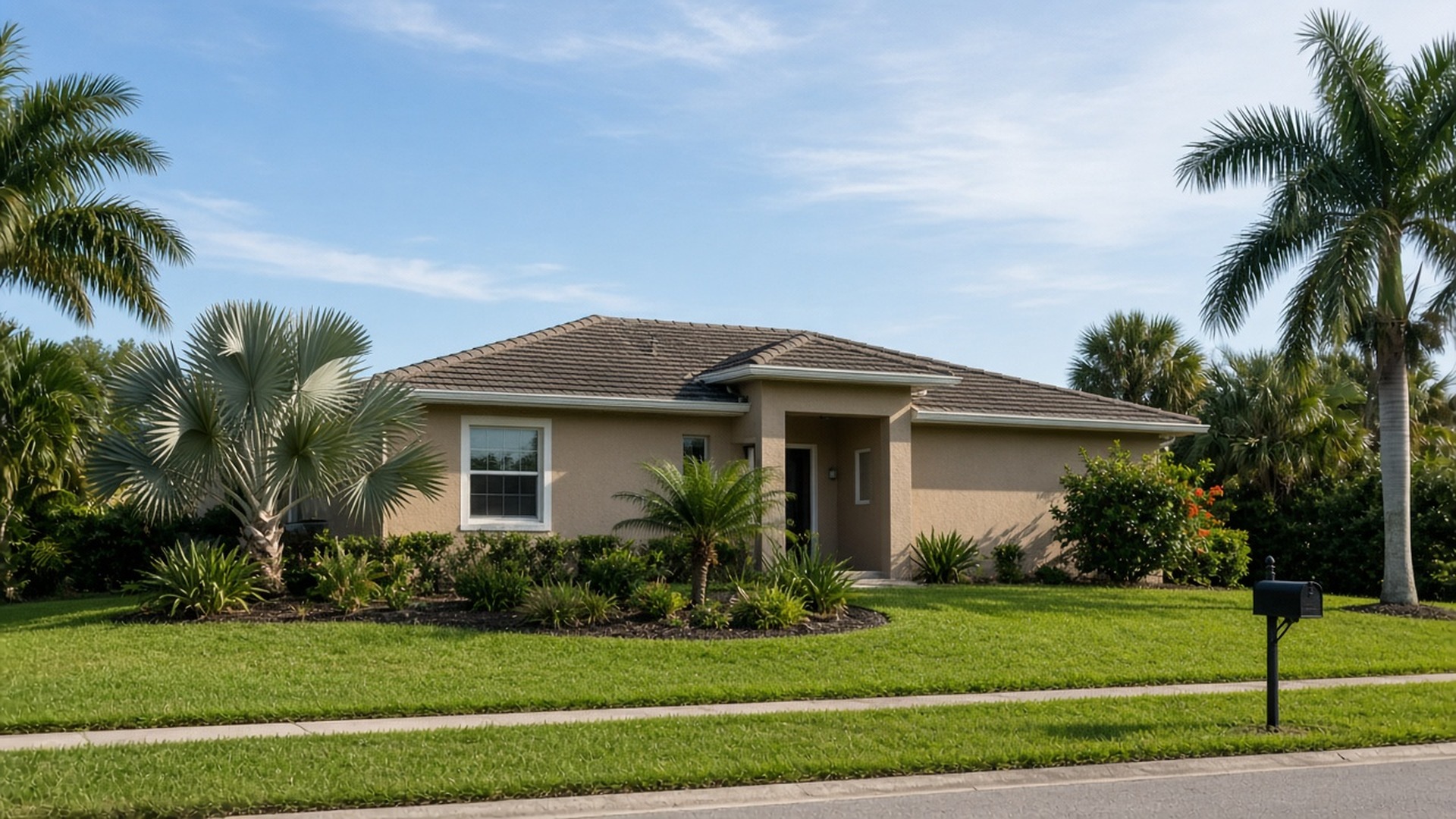
Florida voters approved Amendment 3 on November 3, 2026. Before you celebrate a smaller tax bill, check the exact address. Homestead status, whether you were a Florida resident by December 31, 2026, school versus non-school millage, and your assessed value still decide what changes in 2027 and 2028.
Statewide, the unofficial tally showed about 61.98% yes, above the 60% needed for a constitutional amendment (Florida Election Watch). Formal certification is still scheduled for mid-November 2026, so treat the outcome as effectively settled but not yet stamped as official. The amendment takes effect January 1, 2027. It does not change your 2026 tax bill.
What Amendment 3 Actually Changed
The official ballot summary and constitutional text do four practical things (Florida Division of Elections ballot PDF; Department of State initiatives database):
- Raise the non-school homestead exemption to up to $150,000 beginning January 1, 2027, and up to $250,000 beginning January 1, 2028, then adjust that larger amount for inflation starting in 2029.
- Keep a separate, smaller school exemption. School district levies still get only up to $25,000 of assessed value exempt. School taxes do not disappear.
- Phase in the larger exemption for newer Florida residents. People who were not Florida residents on December 31, 2026 start with the existing homestead structure (school up to $25,000; non-school up to $50,000). The increased non-school exemption begins with the fifth year of homestead exemption, to the extent permitted by the U.S. Constitution.
- Lower the annual assessment-increase cap on non-homestead property from 10% to 5% beginning January 1, 2027, for levies other than school district levies. That covers many rentals, second homes, and commercial properties. The amendment also limits how counties and municipalities may use property tax revenue, with room for other spending if local governing bodies approve it unless general law prohibits it.
Save Our Homes stays in place. The homestead assessment cap (the lower of 3% or CPI) is separate from the exemption. Portability of that capped difference when you move to a new Florida homestead also remains a separate process (Palm Beach County Property Appraiser Amendment 3 FAQ, summarizing statewide constitutional rules).
School Taxes Versus Everything Else
This is the part most Tampa Bay homeowners miss.
Your TRIM notice and tax bill stack millage from several authorities: county, city, school district, and often water management or other special districts. Amendment 3's big new exemption applies to non-school levies. School millage still sees only the smaller school exemption.
So even after 2027, many homestead owners will still pay school taxes on most of the home's taxable value for school purposes. Non-ad valorem assessments (stormwater, garbage, lighting districts, and similar line items) are also outside the homestead exemption increase.
What that means on a Hillsborough, Pinellas, or Pasco address: open the parcel on your county property appraiser site, then look at last year's TRIM or tax bill and separate the school millage from the rest. The exemption change hits the non-school stack first. Exact dollars depend on assessed value, other exemptions, and the millage rates your taxing authorities set each year. Property appraisers apply values and exemptions; they do not set millage.
Longtime Residents Versus New Residents
Use December 31, 2026 as your first filter.
If you were already a Florida resident by December 31, 2026
If you also qualify for homestead (own and use the home as your permanent residence), you may receive the larger non-school exemption beginning in 2027, subject to the usual homestead rules. County property appraisers have indicated that owners who already have homestead and meet Amendment 3 eligibility should generally see the increase applied without a special reapplication. You still must keep the home as your permanent residence and notify the appraiser if that changes.
If you were not a Florida resident on December 31, 2026
You can still apply for homestead when you buy and move into a primary residence. You start with the smaller "existing" structure described in the amendment. The larger non-school exemption begins with the fifth year of exemption. Residency documentation and implementing rules may still get more detail from the Legislature and the Department of Revenue, and the amendment itself notes the residency phase-in applies only to the extent permitted by the U.S. Constitution.
If you buy in 2027 but already lived in Florida in 2026
Residency on December 31, 2026 and homestead on a particular parcel are related but not identical. Someone who was already a Florida resident in 2026 and later buys a first homestead may still be in the larger-exemption track if they meet homestead eligibility, but they must still apply for homestead on the new property. Confirm with the property appraiser in the county where the home sits.
How This Plays Out Across Tampa Bay Counties
Amendment 3 is statewide. Your bill is local.
- Hillsborough County (Tampa, Brandon, Riverview, Plant City, Temple Terrace): Search the parcel and homestead status at the Hillsborough County Property Appraiser. Homestead applications are taken year-round; the statutory deadline is March 1 for the tax year you want the exemption (HCPA homestead page).
- Pinellas County (St. Petersburg, Clearwater, Largo, the beaches): Use the Pinellas County Property Appraiser. Same March 1 filing deadline for the tax year. If you buy after January 1, the seller's homestead on the TRIM notice is not yours; it drops at year-end unless you file.
- Pasco County (Wesley Chapel, New Port Richey, Land O' Lakes, Zephyrhills): Apply through the Pasco County Property Appraiser. Eligibility is judged as of January 1; the filing deadline for timely applications is March 1.
County lines still matter for more than taxes. Crossing from Pinellas into Hillsborough can change school district, utility provider, and which bridges (Howard Frankland, Gandy, Courtney Campbell) sit in your daily commute. Amendment 3 does not unify those systems. It only changes how homestead and non-homestead assessments interact with local millage.
Buyers: Do Not Copy the Seller's Tax Bill
When a homestead sells, the exemption for the prior owner ends, and assessed value typically resets toward just (market) value for the new year under Save Our Homes rules. The seller's current tax bill is often a poor estimate of yours.
For a purchase offer in Tampa, St. Petersburg, Clearwater, or Pasco:
- Pull the parcel on the correct county property appraiser site.
- Note just value, assessed value, taxable value, and whether homestead is currently on the property.
- Ask whether you will claim homestead by January 1 of the following tax year, and whether you were a Florida resident by December 31, 2026.
- Estimate school and non-school pieces separately once 2027 millage is known. Until then, treat any savings figure as provisional.
- Add homeowners insurance, flood insurance if needed, and HOA or CDD fees. Those often move the monthly payment more than a homestead exemption change.
Investors and Second Homes
If the property is not your homestead, Amendment 3's larger homestead exemption does not apply. What does apply is the lower annual assessment-increase cap: generally no more than 5% a year for non-school levies beginning in 2027, down from 10%. That limits how fast assessed value can rise; it does not freeze the tax bill, and school levies are treated separately. After a change of ownership or control, non-homestead property can still be reassessed at just value as provided by law.
Checklist: What to Verify on One Address
Use this before you change a budget or an offer:
- Confirm the county (Hillsborough, Pinellas, or Pasco) and open that property appraiser's parcel page.
- Confirm homestead status for the current owner, and whether you will qualify as of January 1 of the tax year you care about.
- Confirm your Florida residency date relative to December 31, 2026 if the larger exemption timing matters to you.
- Separate school millage from other millage on the TRIM notice or tax bill.
- Note assessed value and taxable value, not just market value or list price.
- If you are buying, assume the seller's tax bill will not match yours after the sale and possible assessment reset.
- File a new homestead application by March 1 when you establish a new permanent residence (deadline extends to the next business day when March 1 falls on a weekend or holiday).
- Watch for implementing guidance from the Legislature, the Florida Department of Revenue, and your county property appraiser. Some residency and administration details may still be filled in.
- Remember effective date: January 1, 2027, with the first full reflection often on August 2027 TRIM notices and November 2027 tax bills.
What This Means for Your Monthly Housing Cost
Property tax is one line in a Tampa Bay payment. Insurance, flood zone, HOA or CDD fees, and the loan structure still sit beside it. A larger homestead exemption can lower the non-school tax piece for eligible primary residences, but it does not set your escrow, your premium, or your comfort payment.
If you are buying or refinancing, work backward from the total monthly cost you can live with, using a tax estimate tied to that parcel's assessed value and millage, not a statewide average. Qualification and comfort are two different numbers. When you want help testing how Amendment 3 timing, homestead status, and a specific address interact with a loan payment, Book a conversation.
Frequently Asked Questions
- Did Florida Amendment 3 pass?
- Yes, according to unofficial statewide results posted by Florida Election Watch: about 61.98% yes and 38.02% no on November 3, 2026, above the 60% threshold. Formal certification was still pending as of November 5, 2026.
- When does Amendment 3 change my property tax bill?
- It takes effect January 1, 2027 and does not change 2026 bills. Eligible homestead changes are expected to appear on August 2027 TRIM notices and November 2027 tax bills.
- Does Amendment 3 eliminate school property taxes?
- No. The larger homestead exemption applies to non-school levies. School district levies still receive only up to a $25,000 assessed-value exemption under the amendment.
- Do new Florida residents get the full homestead exemption right away?
- People who were not Florida residents on December 31, 2026 start with the existing homestead structure when they qualify, with the increased non-school exemption beginning in the fifth year of exemption, to the extent permitted by the U.S. Constitution.
- What should I check on a specific Tampa Bay address?
- Confirm the county property appraiser parcel, homestead status, Florida residency date relative to December 31, 2026, assessed and taxable value, and school versus non-school millage. Buyers should not assume the seller's tax bill will match theirs after closing.
Sources
- Amendments results (Amendment No. 3) (opens in a new tab)https://floridaelectionwatch.gov/Amendments
- Constitutional Amendment No. 3 ballot PDF (English) (opens in a new tab)https://flelectionfiles.floridados.gov/enightfilespublic/20261103_Amendment_03_english.pdf
- Increased Homestead Exemption; Lower Cap On Increases In Non-Homestead Property Assessments (opens in a new tab)https://constitutionalinitiatives.dos.fl.gov/Home/InitDetail?account=10&seqnum=110
- Amendment 3 calculator and FAQ (opens in a new tab)https://pbcpao.gov/Property/Amendment3Calculator
- Homestead & Other Exemptions (opens in a new tab)https://www.hcpafl.org/property-info/homestead-other-info
- Homestead Exemption (opens in a new tab)https://www.pcpao.gov/homestead-exemption
- Homestead (opens in a new tab)https://pascopa.com/exemptions/exemptions/homestead/
- Proposed 2026 Florida Property Tax Amendment (CS/HJR 1F) legislative update (opens in a new tab)https://dmz.hcpafl.org/legislative/Legupdate.cfm

About the author
Holden Kellerhals
Mortgage Loan Originator · NEXA Lending · NMLS #2646551
Have a question about your own situation?
Creative strategies for real life. Let's make it work.